

Every morning I wake up to the local NPR station (KUNC) playing on my Alexa, grab a cup of coffee, lay back down and listen. It’s a preview of the weeks ahead. Working in state government puts you at the intersection of federal policy and local service delivery. Sometimes things state government builds directly impacts people, and sometimes it enables those in county and local government to serve residents and citizens in a better way.
The Colorado Digital Service (CDS), a team I co-founded with Matthew McAllister, is two years old now and I am wrapping up my “digital tour of service.” CDS is a diverse, cross-functional team of senior engineers, human-centered design specialists, product managers and procurement specialists within the Governor’s Office of Information Technology (OIT). We partner with state agencies to develop and improve human-centered solutions to Colorado’s most pressing technical challenges (and we are hiring).
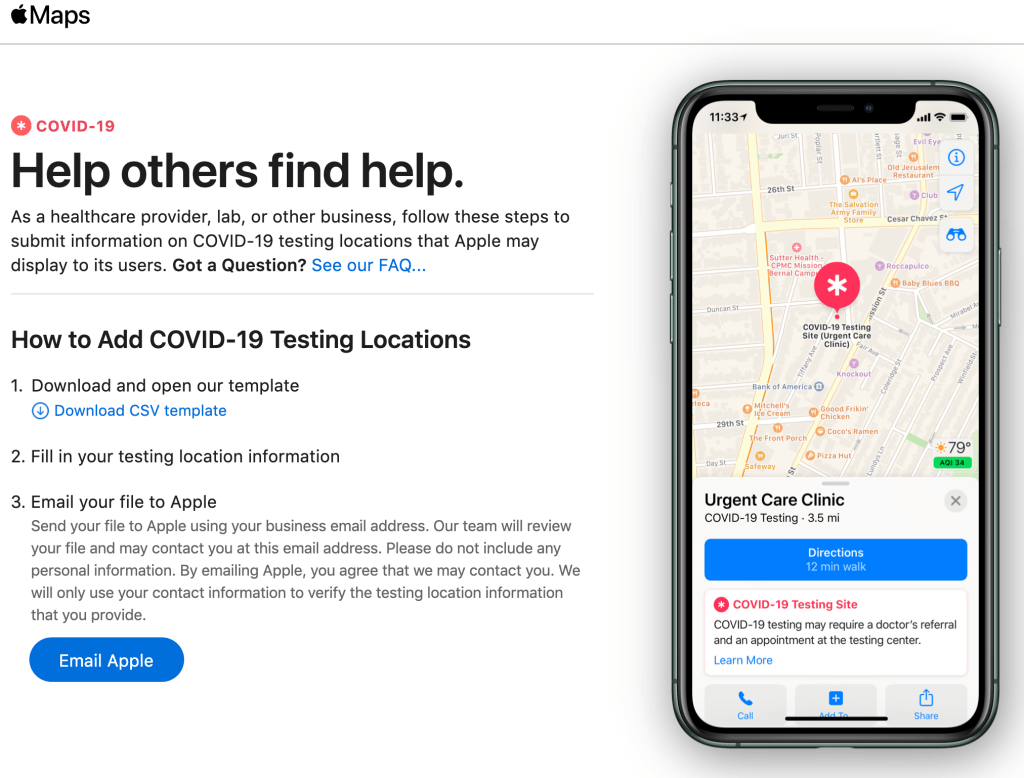
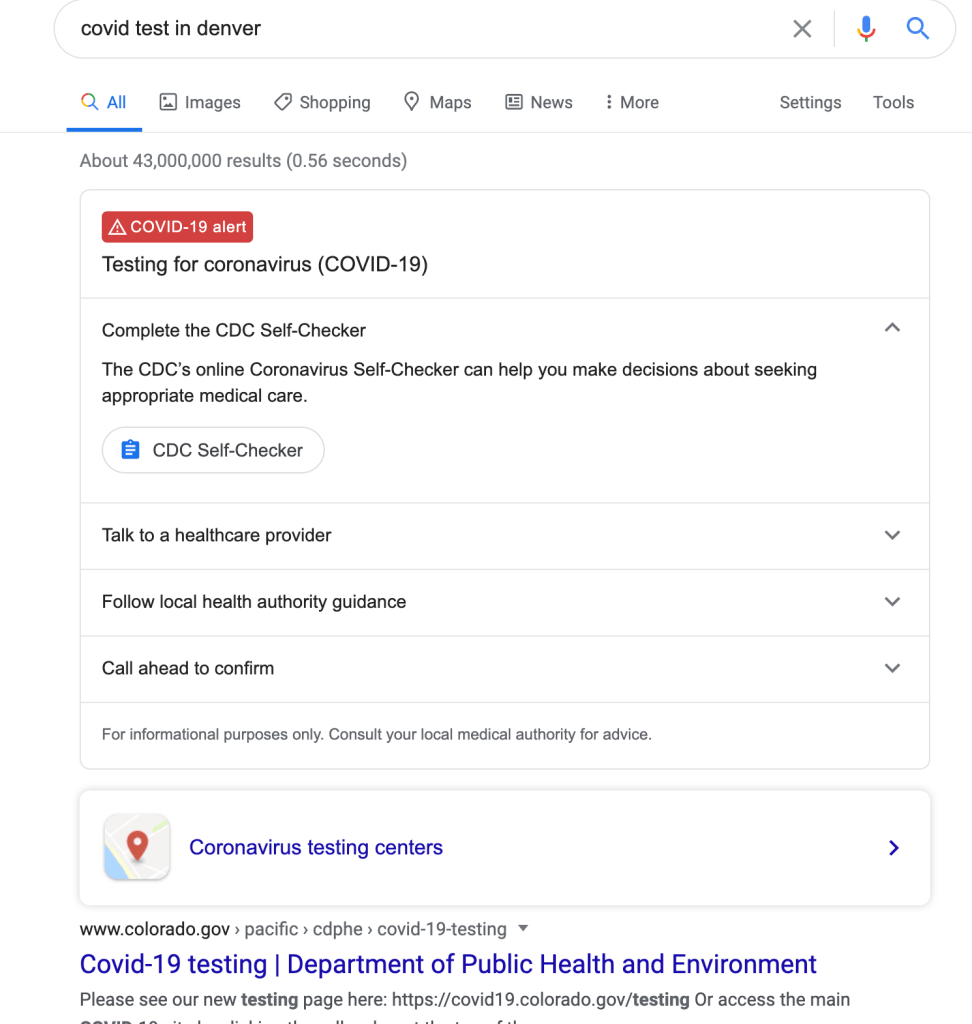
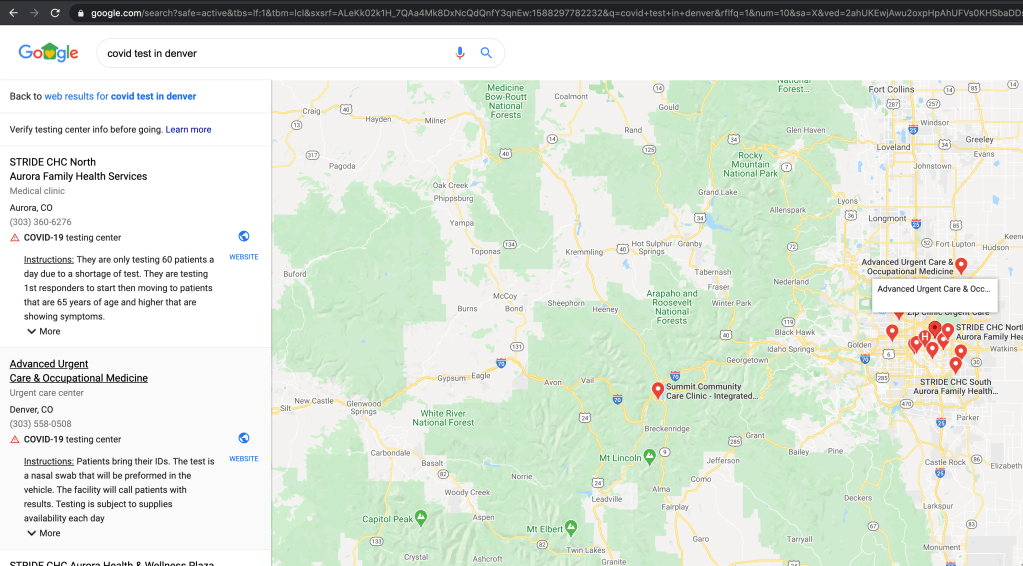
Over the past two years, I’ve been incredibly proud of the work we’ve done on the COVID-19 response, with the child welfare team, and the new Paid Family and Medical Leave division. I can’t wait to see what the team delivers next.
A few lessons learned
A digital service can be an important tool for governments.
The original vision for the Colorado Digital Service was to create a small team of senior product managers, designers and engineers that would work on the Governor’s priorities and plug-in tightly with the Office of Information Technology. This has mostly played out as expected.
Why is a digital service important for your state government?
1. A digital service creates momentum for new ideas on hiring, software delivery and problem solving that can be leveraged government-wide. Publishing the Modern Software Delivery Index, creating an agile vendor pool and finding new ways to connect Colorado tech talent to government are examples of ways the Colorado Digital Service has done this here in Colorado.
2. For agency initiatives that are emerging, a digital service can be leveraged to prototype, build, ship and continuously improve upon these initiatives until the sunset or transfer into an agency program. Bug Bounty, Digital Vaccine Credentials, Exposure Notifications and Developer Evangelism are examples from the Colorado Digital Service just this year.
3. When brand new agency programs or offices are created, a digital service can help with human-centered design, rapid prototyping, product management and vendor procurements in the early stages of formation. In Colorado, we have seen a new Paid Family and Medical Leave program, Office of Early Childhood Education, and Office of Behavioral Health launch just this year.
A lot of progress has been made to improve the delivery of government services, but we still have work to do.
One of the big takeaways from the past few years in government is that some decades old rules combined with perverse incentives hamper government’s ability to deliver. Everyone wants to make government work better for the people, from tech talent who are curious about working in government, to the career civil servants that have been chipping away at problems for years.
Here are a few things that are gradually improving but need to be better.
Hiring – In Colorado, we can’t hire anyone that lives outside of Colorado, we have outdated position classifications and our product, design and engineering salaries continue to be non-competitive with the private sector. We continue to attract great talent despite these constraints thanks to the tireless work from Colorado’s HR folks and agency directors that find creative ways to staff teams. Refactoring hiring is happening but more needs to be done such as improving how funding is allocated to these positions and competing on salary (read Tips for Finding Ways into Public Sector Work).
Delivery teams – Funding for enterprise applications can be sporadic based on a change in legislative priorities, economic climate or specifics of policy which makes it hard for government teams to hire full-time employees so outsourcing to contractors and vendors is the norm. This perpetuates a “project” instead of “product” mentality of “When will it be done?” and “We have to spend the money now.” In government, many of the technology applications that serve programs like Medicaid, child welfare and public safety are never “done”. Delivery teams need full-time government employees that can focus on delivery with a consistent funding stream over time in partnership with vendors.
Procurement – Governments can have hundreds of enterprise applications and initiatives. How government teams decide to work with contractors and vendors is a huge factor in their success. Although there has been a powerful movement in procurement reform across governments at all levels, moving to a modular, agile way of working is still new in government (watch Waldo’s talk on this). When an program team insists on developing a massive list of requirements to be delivered by a certain date for a certain price and then adds additional constraints such as a vendor having to take on substantial liability for the “system as a whole” or having a certain number of employees onsite, they think they are doing the right thing by “guaranteeing success” and reducing risk. Time after time this approach has been shown to fail (read Government tech projects fail by default. It doesn’t have to be this way).
What’s coming next for government teams is pretty easy to envision
The delivery of digital services across the government is maturing. In some Federal and State Agencies as well as local governments, you will see teams working in an agile way, using human-centered design to better understand the problems they are solving and shipping software that works on mobile devices.
Looking ahead, here are a few things that are either a growing part of a government’s portfolio or coming soon.
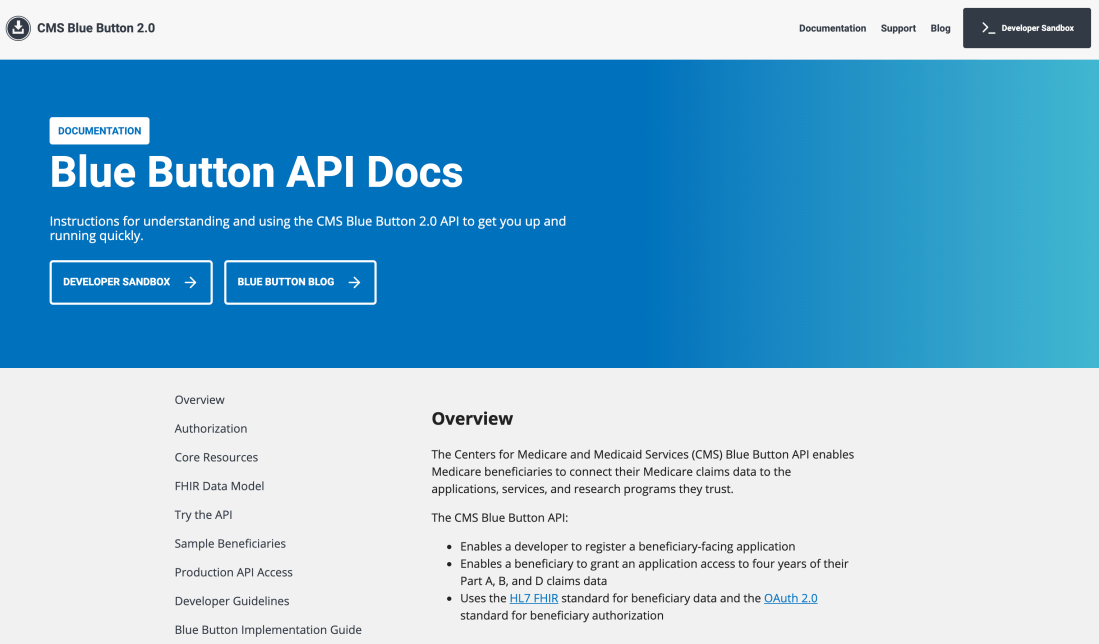
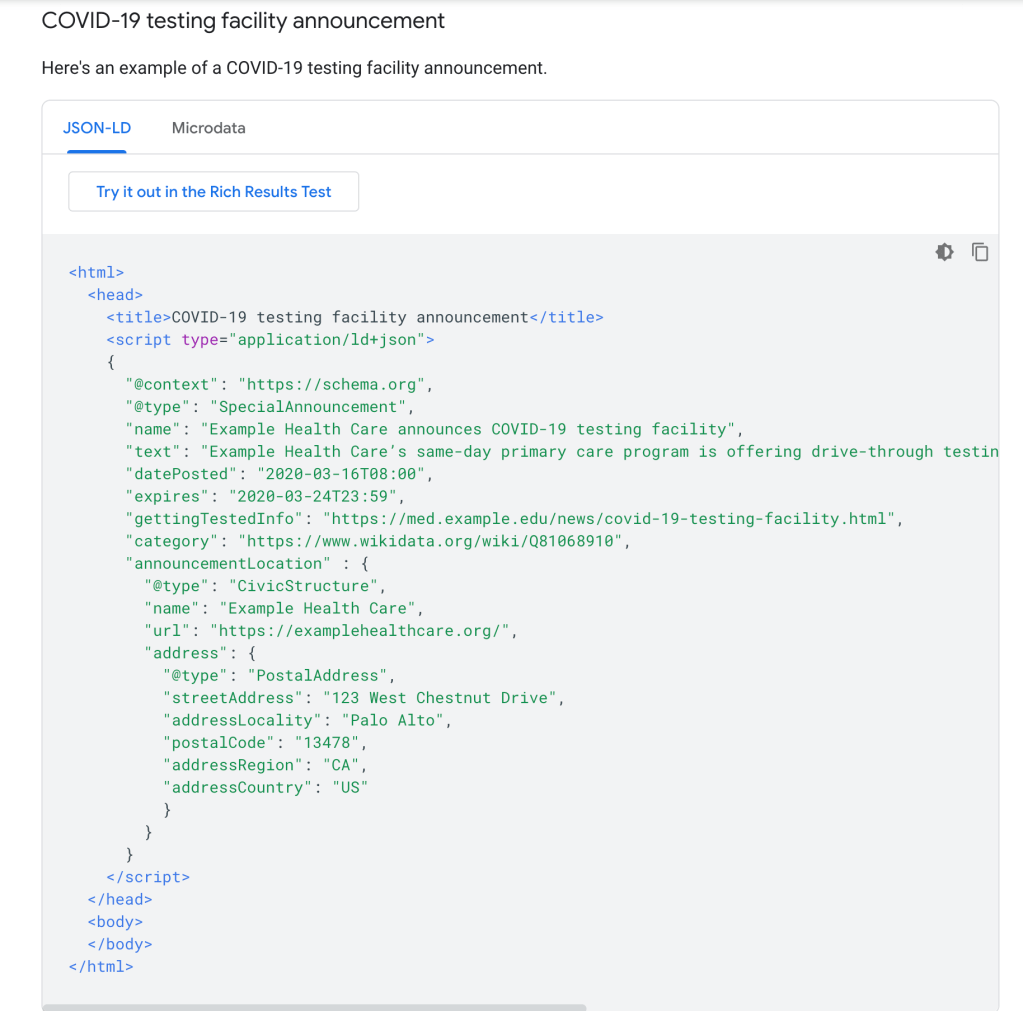
APIs – Interoperability between agencies, counties and community partners, open data and giving residents/citizens/patients access to their personal data is a growing piece of the puzzle for government service delivery. We are already seeing states subject to regulation by the Federal government to provide Medicaid patients access to their health information and more of this type of regulation will come. There is also a strong demand from the private sector to access open data sets and have ways to transact with governments.
Layers of Government – For programs that span multiple agencies (CDC and CMS for example) or multiple levels of government (Federal to State to Local), a digital service can help break down silos and glue efforts together. There is already collaboration between states happening formally in monthly working groups and informally across networks of peers. Governments at all levels should be working as a portfolio in many of the large enterprise applications like unemployment insurance, Medicaid and paid family and medical leave sharing open source projects and reusing composable building blocks instead of paying the same vendors to duplicate software applications over and over for each state.
Machine Learning – Fraud detection, robotic process automation, public health outbreak prediction and so much more is coming to the government. Understanding how to manage ML pipelines, train models, and incorporate all of the ethical considerations that this technology will raise for a government into the product management process will be critical. Digital service experts that have experience training and deploying models or designing product features that leverage these models will be important. [read Digital Services to APIs to ML]
Onward!
After 20 years building software in bootstrapped small businesses, venture-backed startups and large enterprises, I feel incredibly lucky to have stumbled into government and fallen in love with the work. My work-life has never had more purpose that it does now and I’m excited to continue chipping away at these problems.
Thanks to my Colorado Digital Service teammates, Governor Polis and his team, and all of my colleagues in the Office of Information Technology and within the agencies for helping the Colorado Digital Service get off the ground and become an important part of service delivery to Coloradans. I am grateful to you for giving this idea a chance.As for me, I’m boomeranging back to the US Digital Service to serve another digital tour of service taking my learnings and inspiration from Colorado to the Federal government.







 Kelly Taylor's Blog